
SEEMIT · Articles
Entebbe: A Town Where History, Nature and Opportunity Meet
There are few towns in Uganda with a character quite like Entebbe.
Set against the expansive waters of Lake Victoria, surrounded by mature trees and shaped by more than a century of history, Entebbe has a charm that is difficult to replicate. Colonial-era architecture sits alongside modern developments, while quiet residential neighbourhoods coexist with a growing hospitality industry.
Beyond being Uganda's principal international gateway, Entebbe has a fascinating story. It was once the country's administrative capital, and its landmarks offer a glimpse into the political, cultural and social history that helped shape modern Uganda.
Walking Through Entebbe's History
Entebbe's story predates colonial administration. Entebe za Mugula, traditionally associated with Chief Mugula, is linked to the origins of the town's name and reminds us of its deep roots in Buganda's history.
The arrival of colonial administration brought a new chapter. Entebbe became the seat of government, attracting institutions, churches and establishments that would shape its development for generations. Some of these historic buildings remain today, giving the town an architectural character that is increasingly uncommon in Uganda's rapidly developing urban centres.
The old Secretariat, now associated with the National Agricultural Research Organisation (NARO), is among the most notable reminders of this period. It once housed the colonial administration and later served Uganda's Legislative Council. Other historic buildings, including the old Post Office and former Ministry of Agriculture offices, preserve this institutional heritage.
Religious institutions also shaped the town. St. John's Church and Bugonga Catholic Church, whose history dates back to 1902, reflect the longstanding presence of Christian missionary activity. The Independence Tree, formerly known as the Freedom Tree, carries its own national significance, having been associated with public gatherings during Uganda's struggle for independence.
Together, these landmarks tell the story of a town that once stood at the centre of Uganda's administration and public life.
Where Nature Becomes Part of Everyday Life
History is only one part of Entebbe's appeal. Perhaps what makes it particularly special is the way nature is woven into everyday life.
Lake Victoria defines much of the town's landscape, from its waterfront properties and beaches to the fishing communities and hospitality establishments along its shores. It offers visitors recreation and a sense of escape, while contributing to the distinctive lifestyle appeal that attracts residents and property investors.
The Entebbe Botanical Gardens, established in 1898, are another important part of this natural heritage. Their mature trees, rich plant life and birdlife provide a peaceful setting and preserve something increasingly valuable in modern towns: accessible green space.
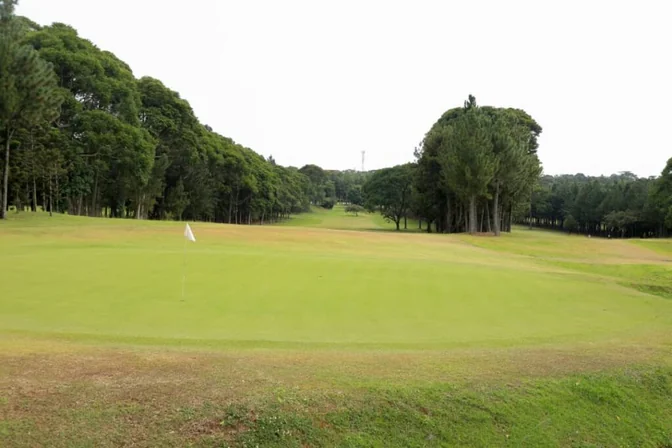
The Uganda Wildlife Conservation Education Centre (UWEC) adds to this appeal through its conservation and wildlife education work. Meanwhile, the historic Entebbe Golf Club reflects the town's longstanding recreational and social traditions. Together, these attractions give Entebbe an identity that extends beyond its role as an administrative and transport centre.
A Gateway That Welcomes the World
Entebbe's relationship with international visitors is not new. Its history as an administrative centre, lakeside setting and early hospitality establishments helped establish its reputation as an important destination.
The Lake Victoria Hotel, established in 1948, is a reminder of this hospitality heritage. For decades, establishments such as this accommodated diplomats, government officials, business travellers and other visitors to Uganda.
Aviation strengthened that international connection. The old airport control tower, commissioned in 1952, represents an earlier chapter in Uganda's aviation history. Today, Entebbe International Airport connects the country to the world and brings a steady flow of international travellers into the town.
This proximity supports demand for accommodation, restaurants, serviced apartments, conference facilities and other hospitality services, strengthening Entebbe's position as a destination for both business and leisure.
Entebbe's Heritage and Its Future
What makes Entebbe interesting is that its appeal is not built around a single attraction. It is the combination of history, architecture, natural environment, established neighbourhoods and international connectivity that gives the town its identity.
These characteristics matter to the property market. Lakefront locations, mature neighbourhoods, proximity to attractions and established institutions all contribute to the way people experience and value different parts of the town. They also create opportunities in residential development, hospitality, commercial property and the redevelopment of existing buildings.
As Entebbe continues to grow, the challenge will be to embrace modern investment without losing the qualities that make it distinctive. Its mature trees, historical buildings, lakeside character and established neighbourhoods are assets worth preserving.
At SEEMIT Uganda, we believe understanding a location is just as important as understanding the property itself. Entebbe is not simply a place to buy land or develop buildings. It is a town with a history, an identity and a future. Appreciating all three is an important starting point for recognising its real estate potential.